Today, September 21, 2025, the United States officially enforces major changes to the H-1B visa program, introducing a new $100,000 fee for every H-1B Visa New Rules petition submitted. This historic change marks a significant shift in how skilled foreign workers, especially in the technology sector, will access opportunities to work in the U.S.
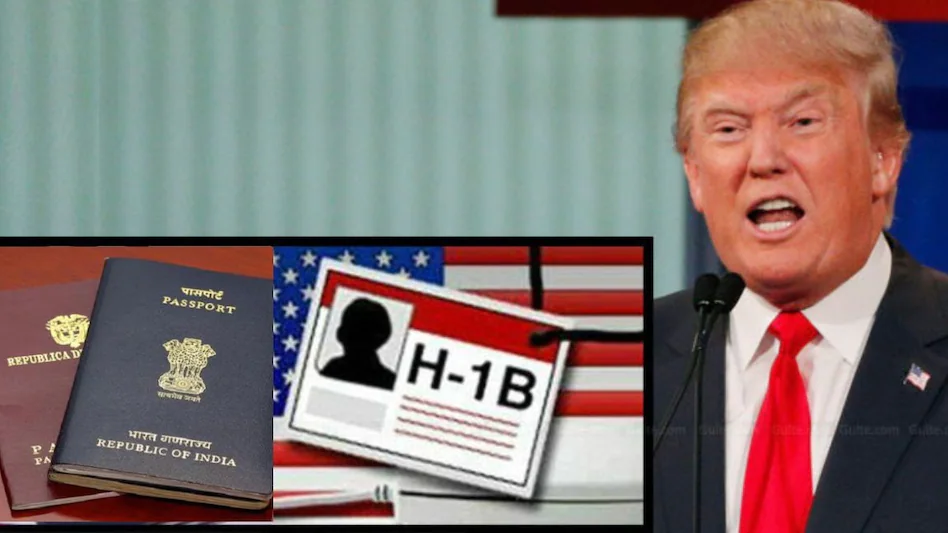
The new policy has naturally caused widespread attention and concern among prospective applicants, employers, and immigration experts alike. However, it is important to understand the details of these changes clearly to avoid confusion. Specifically, the fee applies strictly to new visa petitions filed starting today and does not affect those who already hold valid H-1B visas or whose petitions were approved before the effective date.
This article breaks down the H-1B visa new rules, the scope of the $100,000 fee, who is impacted, and what it means for applicants and employers going forward.
What Are the New Rules Under the H-1B Visa Program?
The executive order signed by President Donald Trump on September 19, 2025, introduces a mandatory $100,000 supplemental fee for each new H-1B visa petition filed by employers for foreign skilled workers. The rule officially takes effect starting at 12:01 AM Eastern Daylight Time on September 21, 2025. The policy is set to be in place for 12 months unless extended or modified.
The fee applies only to new petitions filed from September 21 onwards.
Current visa holders and previously filed or approved petitions are exempt from the fee.
The fee aims to limit abuses of the visa system and prioritize truly high-skilled workers who contribute significantly to the U.S. economy.
Petitions without the fee attached will be rejected outright.

Who Really Owns Google Now?
The $100,000 charge affects foreign workers applying for an H-1B visa as a new petition from outside the United States. This means:
Individuals currently outside the U.S. seeking to enter on an H-1B visa will need their employers to pay the supplemental fee with the petition.
Workers inside the U.S. who already hold a valid H-1B Visa New Rules are not required to pay the new fee and can continue their employment and travel plans as usual.
Petitions filed or approved before 12:01 AM on September 21, 2025, are exempt.
Because the fee applies only to new entrants, existing visa holders and those applying to renew or change status under H-1B are not impacted financially by this particular policy.
The new fee and restrictions have sparked widespread discourse in the technology and business sectors. Major corporations like Amazon, Microsoft, Google’s parent company Alphabet, and Meta have advised affected employees to consult legal counsel and stay aware of travel precautions, as foreign nationals currently outside the U.S. may face entry challenges without compliant petitions.
Many Indian IT professionals, who form the largest group of H-1B Visa New Rules beneficiaries, are closely monitoring the developments. There is concern that the additional financial burden will disincentivize applications, disrupt business operations, and create uncertainty for workforce planning.
At the same time, government and immigration authorities have emphasized the distinction between new applications and existing visa holders, urging calm and preparedness rather than panic. Officials highlight that there is no need for current holders to rush back to the U.S. before the rule’s effective time.
Employers intending to sponsor new foreign skilled workers under H-1B Visa New Rules must factor in the $100,000 fee immediately. Petitions submitted without this payment will be denied, causing potential hiring delays and operational impacts.
Applicants currently outside the U.S. without an approved petition should exercise caution with travel plans to avoid getting stranded. Consulting immigration attorneys and closely following updates from U.S. Citizenship and Immigration Services (USCIS) and the Department of State is highly recommended.
Existing visa holders and petitioners with filings before the deadline can continue their activities with no changes to their fee structure or travel rights under this rule.